Gardeners London: Cultivating Green Spaces in the Heart of the City
London, a bustling metropolis known for its rich history and vibrant culture, also boasts some of the most stunning gardens and green spaces in the world. Whether you're a seasoned gardener or a green-thumbed enthusiast, Gardeners London offers a plethora of opportunities to cultivate and maintain beautiful outdoor spaces.
From the iconic Royal Parks to community gardens nestled in neighborhoods, London's gardening scene is as diverse as its residents. In this article, we'll explore what makes Gardeners London unique, the best places to garden, essential tips for urban gardening, and the top areas surrounding London that are perfect for gardening enthusiasts.
Understanding the local climate and soil conditions is crucial for successful gardening in London. With a temperate maritime climate, London experiences mild winters and warm summers, providing a favorable environment for a wide variety of plants. However, urban gardening comes with its own set of challenges, including limited space and pollution.
The Rich Gardening Heritage of London

London's gardening heritage is deeply intertwined with its history. The Royal Botanic Gardens at Kew, a UNESCO World Heritage site, is a testament to the city's long-standing relationship with horticulture. Established in 1759, Kew Gardens is home to over 50,000 plant species and serves as a center for botanical research and conservation.
Beyond Kew, London's private and public gardens reflect the city's evolution. From the ornamental gardens of Kensington to the wildflower meadows in Hampstead Heath, each garden tells a story of London's past and present. Gardeners in London often draw inspiration from these historic spaces, blending traditional techniques with modern innovations.
The community aspect of gardening in London cannot be overstated. Urban gardening projects and community gardens provide residents with a sense of camaraderie and a shared purpose. These spaces not only beautify the city but also promote sustainability and local food production.
Popular Gardening Spots in London

- Hyde Park - One of London's largest parks, offering vast green spaces for gardening enthusiasts.
- Regent's Park - Home to beautiful gardens and the famous Queen Mary's Rose Garden.
- Greenwich Park - Features meticulously maintained gardens and panoramic views of the city.
- Hampstead Heath - Known for its wildflower meadows and natural gardening spaces.
- Kensington Gardens - Boasts elegant flower beds and historic garden designs.
Essential Tools for London Gardeners

Equipping yourself with the right tools is essential for successful gardening in London. Given the urban setting, many gardeners rely on compact and multi-functional tools to make the most of limited space.
- Hand Trowel - Perfect for planting and transplanting small plants.
- Pruning Shears - Essential for maintaining plant health by trimming and shaping.
- Gardening Gloves - Protect your hands from dirt and potential injuries.
- Watering Can - Necessary for watering plants, especially in areas without easy access to hoses.
- Potting Bench - A convenient workspace for potting and organizing tools.
Additionally, sustainable practices such as composting and rainwater harvesting can greatly benefit urban gardens by reducing waste and conserving resources.
Investing in quality tools and adopting eco-friendly gardening practices not only enhance the beauty of your garden but also contribute to a healthier environment.
Urban Gardening Tips for Londoners
Urban gardening presents unique challenges, but with the right strategies, Londoners can create thriving green spaces. Here are some essential tips:
- Maximize Space: Utilize vertical gardening techniques, such as trellises and wall-mounted planters, to make the most of limited space.
- Choose the Right Plants: Opt for plants that are well-suited to London's climate, such as herbs, vegetables, and hardy perennials.
- Soil Quality: Invest in high-quality soil and compost to ensure your plants have the nutrients they need to grow.
- Sunlight Management: Position your plants to receive adequate sunlight, and use shade cloths if necessary to protect sensitive plants.
- Pest Control: Implement natural pest control methods to keep your garden healthy without relying on harmful chemicals.
By implementing these tips, gardeners in London can overcome the challenges of urban gardening and enjoy lush, productive gardens.
Engaging with local gardening communities and attending workshops can also provide valuable insights and support for urban gardeners.
Top Areas Near London for Gardening Enthusiasts

While London itself offers numerous gardening opportunities, the surrounding areas provide additional options for those looking to expand their gardening endeavors. Here are some of the top nearby areas:
- Richmond upon Thames - Known for its expansive parks and riverside gardens.
- Ealing - Offers community gardens and green spaces ideal for urban gardening.
- Wimbledon - Features well-maintained gardens and green belts perfect for gardening projects.
- Greenford - Provides access to extensive gardening resources and local nurseries.
- Chiswick - Renowned for its beautiful residential gardens and horticultural events.
- Clapham - Home to vibrant community gardens and innovative urban farming initiatives.
- Islington - Offers a mix of private and public gardening spaces with diverse plant selections.
- Waltham Forest - Features extensive green spaces and supportive gardening communities.
- Barnet - Known for its large gardens and access to premium gardening services.
- Brent - Offers various gardening clubs and urban farming opportunities.
Finding Local Gardening Resources
Accessing local gardening resources is essential for gardeners in and around London. From nurseries and garden centers to community workshops and online forums, there are numerous avenues to seek guidance and support.
Connecting with local gardening groups can provide valuable tips, shared resources, and a sense of community among fellow gardeners. Many areas also host gardening festivals and plant fairs, offering opportunities to discover new plants and tools.
Utilizing online platforms and social media can also help gardeners stay informed about the latest gardening trends, events, and best practices in the London area.

Sustainable Gardening Practices in London
Sustainability is at the forefront of modern gardening, and London gardeners are no exception. Implementing eco-friendly practices not only benefits the environment but also enhances the health and productivity of your garden.
- Composting: Recycling organic waste into compost enriches the soil and reduces landfill waste.
- Rainwater Harvesting: Collecting rainwater conserves water and provides plants with natural hydration.
- Native Plants: Choosing native species supports local biodiversity and requires less maintenance.
- Organic Gardening: Avoiding chemical fertilizers and pesticides promotes a healthier ecosystem.
- Permaculture: Designing your garden to mimic natural ecosystems maximizes efficiency and sustainability.
Adopting these sustainable practices can transform your garden into a thriving, eco-friendly sanctuary amidst the urban landscape.
Challenges Faced by Gardeners in London
While gardening in London offers numerous benefits, it also comes with its set of challenges. Limited space, pollution, and fluctuating weather patterns can pose significant obstacles for gardeners.
- Space Constraints: Urban environments often mean limited gardening space, requiring creative solutions like container gardening or vertical installations.
- Pollution: Air and soil pollution can affect plant health, making it essential to choose resilient plant species and maintain soil quality.
- Weather Variability: London's unpredictable weather necessitates careful planning and adaptable gardening strategies.
- Lack of Sunlight: Tall buildings and shaded areas can limit sunlight exposure, so selecting shade-tolerant plants is crucial.
Despite these challenges, with the right knowledge and resources, gardeners in London can overcome obstacles and cultivate beautiful, sustainable gardens.
The Future of Gardening in London
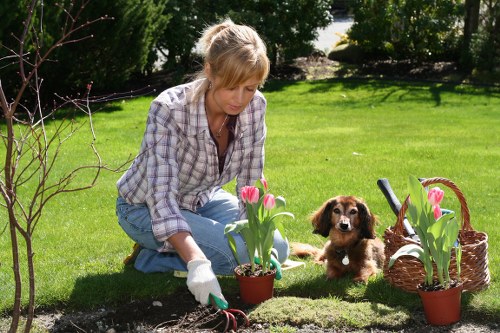
The future of gardening in London looks promising, with increasing interest in sustainable and urban gardening practices. Innovations in gardening technology, such as hydroponics and smart irrigation systems, are making it easier for Londoners to maintain thriving gardens.
Moreover, the rise of community gardens and urban farms is fostering a sense of community and promoting local food production. Educational initiatives and workshops are empowering more residents to take up gardening, ensuring that London's green spaces continue to flourish.
As the city continues to grow, the importance of green spaces and sustainable gardening practices will only become more significant, contributing to the overall well-being of its residents and the environment.
Embracing these changes and adapting to new gardening trends will help Gardeners London remain at the forefront of urban horticulture.
Conclusion
Gardeners London is a thriving community dedicated to cultivating and maintaining green spaces amidst the urban landscape. With its rich gardening heritage, diverse gardening spots, and commitment to sustainability, London offers ample opportunities for both novice and experienced gardeners.
By leveraging local resources, adopting sustainable practices, and connecting with the gardening community, Londoners can create and sustain beautiful gardens that enhance the city's beauty and contribute to a healthier environment.
Frequently Asked Questions
- What is the best time of year to start gardening in London?
The best time to start gardening in London is in early spring, typically March or April, when the weather begins to warm up and plants can thrive.
- How can I maximize limited space for gardening in an urban environment?
Utilize vertical gardening techniques, such as trellises and hanging planters, and consider container gardening to make the most of limited space.
- What are some native plants suitable for London's climate?
Native plants like foxgloves, lavender, yew, and English ivy are well-suited to London's temperate climate and urban environment.
- How can I protect my garden from pollution in London?
Choose resilient plant species, maintain high-quality soil, and consider using air-purifying plants to mitigate the effects of pollution.
- Are there community gardening opportunities in London?
Yes, London has numerous community gardens and urban farming initiatives that provide spaces for residents to engage in gardening and connect with fellow enthusiasts.