Expert Garden Landscapers in London: Transforming Outdoor Spaces
Introduction to Garden Landscaping
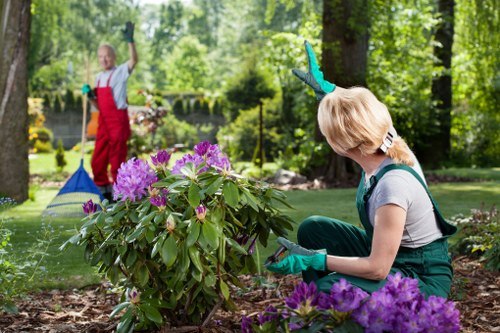
London, a city known for its vibrant culture and historical landmarks, also boasts some of the most beautifully landscaped gardens and parks. Whether you're a homeowner looking to transform your backyard or a business aiming to enhance your outdoor space, professional garden landscapers in London can turn your vision into reality. Garden landscaping is more than just planting flowers; it involves thoughtful planning, design, and maintenance to create a harmonious and functional outdoor environment.
Professional landscapers bring a wealth of experience and creativity to every project. They understand the local climate, soil conditions, and plant varieties that thrive in London???s unique environment. This ensures that your garden not only looks stunning but is also sustainable and easy to maintain.
Investing in garden landscaping can significantly increase the aesthetic appeal and value of your property. A well-designed garden provides a peaceful retreat from the hustle and bustle of city life, offering a personal sanctuary where you can relax, entertain, and enjoy nature.
Benefits of Hiring Professional Garden Landscapers

Hiring professional garden landscapers in London offers numerous benefits. First and foremost, it saves you time and effort. Designing and maintaining a garden can be time-consuming and labor-intensive, especially if you lack the necessary skills and knowledge. Professional landscapers handle everything from initial design to ongoing maintenance, allowing you to enjoy your garden without the hassle.
Moreover, professional landscapers bring expertise and creativity to the table. They can offer innovative design solutions that you might not have considered, ensuring your garden is both beautiful and functional. Their expertise ensures that the plants selected are suitable for your garden???s conditions, promoting healthy growth and reducing the need for extensive maintenance.
Additionally, professional landscapers can help you make the most of your outdoor space. Whether you have a small balcony or a large backyard, they can design a space that maximizes every inch, incorporating elements like seating areas, water features, and pathways to create a cohesive and inviting environment.
Services Offered by Garden Landscapers in London
Garden landscapers in London offer a wide range of services to cater to various needs and preferences. These services typically include:
- Garden Design: Creating detailed plans and layouts that reflect your vision and complement your property.
- Planting and Installation: Selecting and planting a variety of plants, trees, and shrubs that thrive in London???s climate.
- Hard Landscaping: Installing features like patios, decking, pergolas, and pathways to enhance the functionality and aesthetics of your garden.
- Water Features: Adding ponds, fountains, and waterfalls to create a serene and relaxing atmosphere.
- Lighting: Incorporating outdoor lighting to highlight key features and ensure your garden is enjoyable day and night.
- Maintenance: Providing ongoing care, including pruning, fertilizing, and pest control, to keep your garden in pristine condition.
Choosing the Right Garden Landscaper in London

Selecting the right garden landscaper is crucial to the success of your project. Here are some tips to help you make an informed decision:
- Check Credentials: Ensure the landscaper is licensed, insured, and has the necessary certifications. This guarantees professionalism and accountability.
- Review Portfolio: Look at the landscaper???s past projects to assess their style and quality of work. A diverse portfolio indicates versatility and creativity.
- Read Reviews and Testimonials: Hearing from previous clients can provide insights into the landscaper???s reliability, workmanship, and customer service.
- Request Quotes: Obtain detailed quotes from multiple landscapers to compare prices and services offered. Ensure there are no hidden costs.
- Communication Skills: Choose a landscaper who listens to your ideas and communicates clearly. Good communication ensures your vision is accurately translated into the final design.
By carefully considering these factors, you can select a garden landscaper in London who aligns with your needs and budget, ensuring a smooth and successful project.
Design Trends in London Gardens
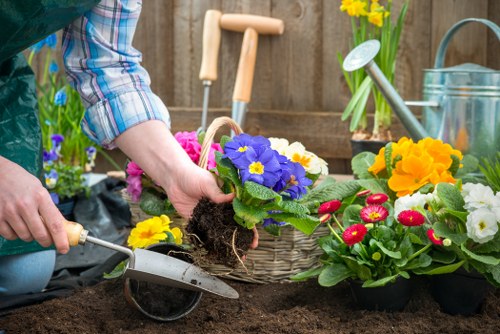
Garden design trends in London are constantly evolving, reflecting the changing tastes and preferences of homeowners. Some of the current trends include:
- Sustainable Gardening: Emphasizing eco-friendly practices, such as using native plants, rainwater harvesting, and organic fertilizers to create environmentally responsible gardens.
- Vertical Gardens: Maximizing space by utilizing vertical surfaces for planting, perfect for urban homes with limited space.
- Minimalist Designs: Focusing on clean lines, simple plant arrangements, and uncluttered spaces to create a modern and tranquil garden environment.
- Outdoor Living Spaces: Expanding the functionality of gardens by adding outdoor kitchens, seating areas, and dining spaces for entertaining guests.
- Wildlife-Friendly Gardens: Designing gardens that attract and support local wildlife, such as bees, butterflies, and birds, by incorporating diverse plant species and natural habitats.
Staying updated with these trends can help you create a garden that is not only stylish but also functional and sustainable.
Cost of Garden Landscaping in London
The cost of garden landscaping in London varies widely based on several factors, including the size of the garden, the complexity of the design, the materials used, and the scope of services required. On average, homeowners can expect to spend anywhere from ??5,000 to ??50,000 or more on a comprehensive landscaping project.
Here are some key factors that influence the cost:
- Design Fees: Professional design services typically account for 10-20% of the total project cost.
- Materials: High-quality materials, such as natural stone, premium plants, and bespoke fixtures, can significantly increase costs.
- Labor: Skilled labor for tasks like hard landscaping, planting, and installation are major contributors to overall expenses.
- Additional Features: Adding water features, lighting, and outdoor structures will add to the total cost.
It's essential to obtain detailed quotes and discuss your budget with your landscaper upfront to ensure that your project remains financially feasible.
Maintenance Tips for Your London Garden
Maintaining a beautiful garden requires regular care and attention. Here are some essential maintenance tips to keep your London garden in top condition:
- Regular Watering: Ensure your plants receive adequate water, especially during dry spells. Installing an efficient irrigation system can help manage this effectively.
- Pruning and Trimming: Regular pruning helps maintain the shape of plants, encourages healthy growth, and prevents disease.
- Weeding: Keep your garden free from weeds, which can compete with your plants for nutrients and water.
- Fertilizing: Use appropriate fertilizers to provide essential nutrients, promoting vigorous plant growth and vibrant blooms.
- Pest Control: Monitor your garden for signs of pests and diseases, and take prompt action to control infestations.
- Seasonal Maintenance: Prepare your garden for different seasons by planting seasonal flowers, protecting plants from frost, and cleaning garden structures.
Regular maintenance not only enhances the beauty of your garden but also ensures the longevity and health of your plants.
Choosing the Right Plants for London Gardens
Selecting the right plants is crucial for creating a thriving London garden. Consider the following factors when choosing plants:
- Climate Adaptability: Choose plants that are well-suited to London???s temperate climate, with its mild winters and cool summers.
- Soil Conditions: Assess the soil type in your garden???whether it???s sandy, clayey, or loamy???and select plants that thrive in those conditions.
- Light Requirements: Ensure that the plants you choose match the light levels in different parts of your garden, whether they need full sun, partial shade, or full shade.
- Maintenance Needs: Depending on your availability and willingness to maintain, select plants that require varying levels of care, from low-maintenance perennials to more demanding varieties.
- Aesthetic Appeal: Choose plants that complement each other in terms of color, texture, and form to create a visually appealing garden.
Working with a professional landscaper can help you select the best plants for your specific garden conditions, ensuring a lush and vibrant outdoor space.
Incorporating Hard Landscaping Elements
Hard landscaping elements like patios, paths, and fences play a vital role in defining the structure and functionality of your garden. Here are some popular hard landscaping features:
- Patios and Decks: Provide spaces for outdoor dining and relaxation, enhancing the usability of your garden.
- Pathways: Guide visitors through your garden, connecting different areas and adding visual interest.
- Fences and Walls: Offer privacy, security, and a backdrop for climbing plants.
- Water Features: Add a tranquil sound and visual appeal, creating a serene atmosphere.
- Shed and Storage: Offer practical storage solutions for garden tools and equipment.
Integrating these elements thoughtfully can enhance both the beauty and functionality of your garden, making it a pleasant space for various activities.
Seasonal Garden Care in London
London experiences a range of seasons, each bringing its own set of gardening challenges and opportunities. Proper seasonal care ensures your garden remains healthy and attractive throughout the year:
- Spring: Focus on planting new flowers, pruning shrubs, and preparing the soil for the growing season.
- Summer: Maintain consistent watering, manage pests, and harvest any seasonal produce if you have a vegetable garden.
- Autumn: Prepare your garden for winter by clearing fallen leaves, planting bulbs for spring, and protecting delicate plants.
- Winter: Minimize garden maintenance, protect plants from frost, and plan for the next gardening season.
Adapting your garden care routine to the changing seasons helps ensure the longevity and vitality of your outdoor space.
Sustainable Landscaping Practices
Sustainability is increasingly important in garden landscaping. Sustainable practices not only benefit the environment but also create healthier and more resilient gardens. Key sustainable landscaping practices include:
- Using Native Plants: Native species are well-adapted to local conditions, requiring less water and maintenance while supporting local wildlife.
- Water Conservation: Implementing efficient irrigation systems, rainwater harvesting, and drought-resistant plants helps reduce water usage.
- Composting: Creating compost from garden waste recycles nutrients back into the soil, enhancing fertility naturally.
- Reducing Chemical Use: Minimizing the use of pesticides and fertilizers protects beneficial insects and maintains soil health.
- Energy-Efficient Lighting: Using LED or solar-powered lighting reduces energy consumption and lowers your carbon footprint.
Incorporating these sustainable practices into your garden design can create an eco-friendly outdoor space that thrives with minimal environmental impact.
Enhancing Garden Aesthetics with Lighting
Outdoor lighting can dramatically transform your garden, highlighting key features and extending the usability of your space into the evening. Here are some lighting ideas to enhance your London garden:
- Pathway Lighting: Illuminate walkways to ensure safety and guide visitors through your garden.
- Accent Lighting: Highlight specific elements like trees, sculptures, or water features to create focal points.
- Ambient Lighting: Provide general illumination for seating areas and patios to create a cozy atmosphere.
- String Lights: Add a magical touch to outdoor spaces with string lights draped over pergolas or trees.
- Solar-Powered Lights: Eco-friendly options that harness solar energy to power garden lights without increasing your energy bills.
Strategically placed lighting enhances the beauty of your garden while providing practical benefits, making your outdoor space enjoyable day and night.
Maximizing Small Garden Spaces
Even with limited space, you can create a stunning and functional garden. Here are some tips for maximizing small garden spaces in London:
- Vertical Gardening: Use vertical planters, trellises, and hanging baskets to add greenery without taking up floor space.
- Multi-Functional Furniture: Choose furniture that serves multiple purposes, such as benches with storage or foldable tables.
- Mirrors and Reflective Surfaces: Incorporate mirrors or water features to create the illusion of a larger space.
- Light-Colored Palette: Use light colors for plants, furniture, and decorations to make the space feel open and airy.
- Compact Plant Varieties: Select dwarf or compact plant species that fit well in smaller areas.
With creative design and smart planning, even small gardens can become delightful retreats.
Incorporating Water Features
Water features add a soothing element to any garden, creating a tranquil environment and attracting wildlife. Common water features include:
- Ponds: Create a natural habitat for aquatic plants and animals, enhancing biodiversity.
- Fountains: Add movement and sound, serving as a focal point in the garden.
- Waterfalls: Provide a dramatic visual and auditory element, perfect for larger gardens.
- Birdbaths: Attract birds, adding life and activity to your outdoor space.
Properly integrated water features can elevate the aesthetic and sensory experience of your garden, making it a more inviting and peaceful space.
Creating Outdoor Living Areas
Outdoor living areas extend your home???s living space, providing a comfortable environment for relaxation and entertainment. Key elements of outdoor living areas include:
- Seating: Invest in comfortable outdoor furniture, such as sofas, chairs, and loungers, to create inviting spaces for socializing.
- Dining Areas: Set up an outdoor dining table and chairs for alfresco meals and gatherings.
- Cooking Facilities: Incorporate outdoor kitchens or barbecues to facilitate cooking and entertaining.
- Shade Structures: Install pergolas, umbrellas, or awnings to provide shade and protection from the elements.
- Heating Solutions: Use outdoor heaters or fire pits to extend the usability of your space into cooler months.
By thoughtfully designing outdoor living areas, you can enjoy your garden throughout the year, making it a central part of your lifestyle.
Enhancing Privacy in Your Garden
Privacy is a common concern for many homeowners, especially in bustling cities like London. Here are some strategies to enhance privacy in your garden:
- Fencing: Install tall fences or walls to block views and create a secluded space.
- Hedges and Shrubs: Dense plantings can act as natural barriers, providing both privacy and greenery.
- Screens and Panels: Use decorative screens or panels to divide spaces and obscure unwanted views.
- Strategic Planting: Place tall plants or trees in key areas to create natural privacy barriers.
- Pergolas and Gazebos: Incorporate structures that offer both shade and privacy, enhancing the comfort of your outdoor spaces.
Implementing these privacy solutions can make your garden a personal sanctuary, free from the intrusion of neighbors and passersby.
Choosing Sustainable Materials
Using sustainable materials in your garden not only benefits the environment but also contributes to the longevity and aesthetic appeal of your outdoor space. Sustainable materials include:
- Recycled Materials: Utilize recycled wood, metal, and plastic for garden structures and furniture.
- Natural Stone: Choose locally sourced natural stone for paths, walls, and patios to reduce carbon footprint.
- Bamboo: An eco-friendly alternative for fencing, decking, and garden furniture.
- Permeable Pavers: Allow water to seep through, reducing runoff and promoting groundwater recharge.
- Sustainable Timber: Use timber from sustainably managed forests, ensuring responsible resource use.
Incorporating these materials into your garden design promotes sustainability and creates a beautiful, eco-friendly outdoor space.
Integrating Technology in Garden Landscaping
Modern technology can enhance the functionality and convenience of your garden. Some technological integrations include:
- Smart Irrigation Systems: Automate watering schedules based on weather conditions, ensuring efficient water use.
- Outdoor Speakers: Incorporate sound systems for music and ambient sounds, enhancing the sensory experience of your garden.
- Smart Lighting: Use programmable lighting systems that can be controlled via smartphones or voice commands.
- Automated Gates and Fencing: Enhance security and convenience with automated access controls.
- Weather Monitoring Devices: Keep track of garden conditions to make informed maintenance decisions.
Integrating technology into your garden landscaping can make your outdoor space more comfortable, efficient, and enjoyable.
Outdoor Art and Decorations
Art and decorations add personality and character to your garden, making it a unique and inviting space. Consider the following elements:
- Sculptures: Add visual interest with statues or abstract art pieces strategically placed throughout the garden.
- Garden Ornaments: Incorporate decorative items like wind chimes, birdbaths, or decorative pots to enhance the aesthetic appeal.
- Mosaics and Murals: Create stunning focal points with colorful mosaics or painted murals on garden walls or pathways.
- Furniture: Choose stylish and functional outdoor furniture that complements your garden???s design theme.
- Water Features: As mentioned earlier, water features can also serve as decorative elements, adding both beauty and tranquility.
Thoughtfully selected art and decorations can elevate the overall design of your garden, making it a reflection of your personal style and taste.
Seasonal Planting Strategies
Implementing seasonal planting strategies ensures that your garden remains vibrant and attractive throughout the year. Here are some strategies for each season:
- Spring: Plant bulbs like tulips and daffodils for early color, and add annuals and perennials that thrive in the cooler weather.
- Summer: Focus on heat-tolerant plants such as lavender, hibiscus, and geraniums, and incorporate edible plants like tomatoes and herbs.
- Autumn: Plant hydrangeas, asters, and chrysanthemums for fall blooms, and add species with striking fall foliage.
- Winter: Choose evergreen plants, winter-hardy shrubs, and ornamental grasses that add texture and interest during the colder months.
By aligning your planting schedule with the seasons, you can enjoy a dynamic and ever-changing garden landscape.
Lighting the Path to a Beautiful Garden
Effective lighting is essential for showcasing your garden???s best features and enhancing safety during nighttime. Here are some lighting ideas:
- Spotlighting: Highlight specific plants, trees, or architectural features with focused lighting.
- Path Lighting: Illuminate walkways to guide guests and prevent accidents.
- Ambient Lighting: Create a warm and inviting atmosphere with soft, diffused lighting for seating areas.
- Accent Lighting: Use accent lights to add depth and dimension to your garden???s design.
- Solar Lighting: An energy-efficient option that reduces electricity costs and is easy to install.
Proper lighting design can transform your garden into a magical space that is enjoyable at any time of day.
Conclusion: Partnering with London???s Best Garden Landscapers
Transforming your garden into a stunning and functional outdoor space requires expertise, creativity, and careful planning. By partnering with professional garden landscapers in London, you gain access to a wealth of knowledge and resources that can bring your gardening dreams to life.
From initial design concepts to the installation of hard and soft landscaping elements, garden landscapers provide comprehensive services tailored to your specific needs and preferences. Their commitment to quality and sustainability ensures that your garden remains beautiful and healthy for years to come.
Don???t wait to create the garden of your dreams. Contact us today to book your garden landscaping service and start your journey towards a more beautiful and enjoyable outdoor space.